
Overview on Project Management
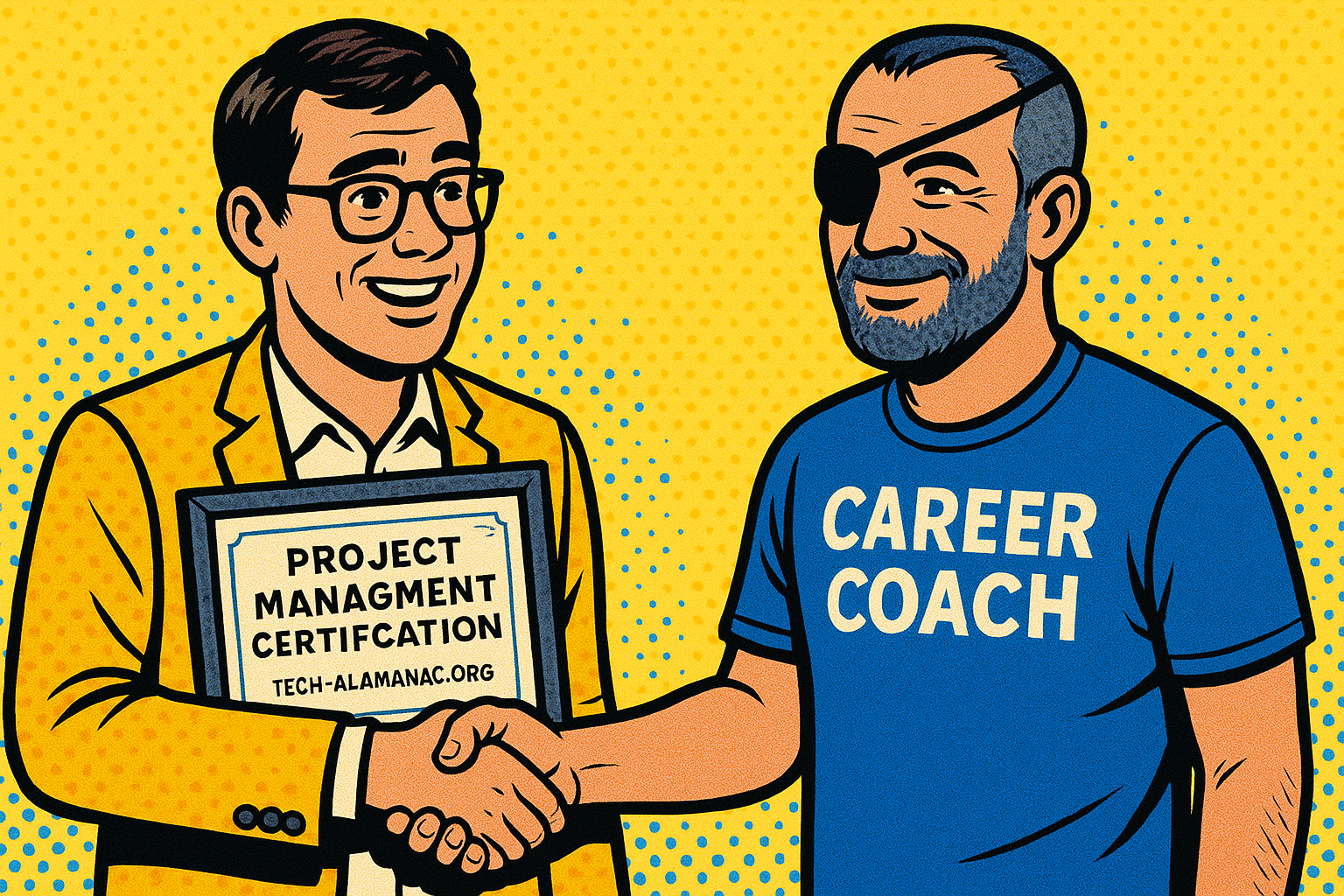
Project managementManagement is a series of methods, frameworks, and tools that are typically owned by Project Managers,Managers (obvi), Production Coordinators, Production Managers, and Producers.
There is a lot of nomenclature that's used here that feels(particularly complicatedin corporate and DevOps settings).
This language might feel complicated, but it's really stuff you're probably doing anywayanyway:
Project Management is a legit and DevOpsrespectable settings).profession, but the culture surrounding it can feel opaque and career-coach adjacent. Don't be scared!
The best way to stay organized is to manage your tasks as well as manage what you own (and what you don't). You can do this using a notebook. If you don't do that already, start with that. A small upgrade from there is a checklist in a notes app. Upgrading from there is a seeming chaotic wasteland.
In Project Management, there are a bunch of traditional approaches that may sound familiar to you. Here's a hierarchical chart of how these things work. There are many other project management methods, but these are the ones that appear frequently in Creative Technology processes – at least, altruistically 😉.
- Overall Project Management Methods
- Agile or Waterfall
- Frameworks for Implementing an Agile Method (Flexible, Continuous Flow)
- Scrum or Kanban
- Sprints
- Tasks
- Tools for Managing a Method
- Kanban Boards
- Task Tracking Tools
- Tools for Managing a Method
- Tasks
- Sprints
- Scrum or Kanban
- Structures for Implementing a Waterfall Method (Phase Based)
- Tasks within Phases
- Tools for Managing a Structure
- Gantt Charts
- Milestone Trackers
- Traditional Calendars
- Tools for Managing a Structure
- Tasks within Phases
- Frameworks for Implementing an Agile Method (Flexible, Continuous Flow)
- Agile or Waterfall
Contextual Example
You can use a series of approaches to project management within a single project. For
If this all makes sense to you, congratulations, you understand the basic concepts of Project Management.
Task & Project Management Tools
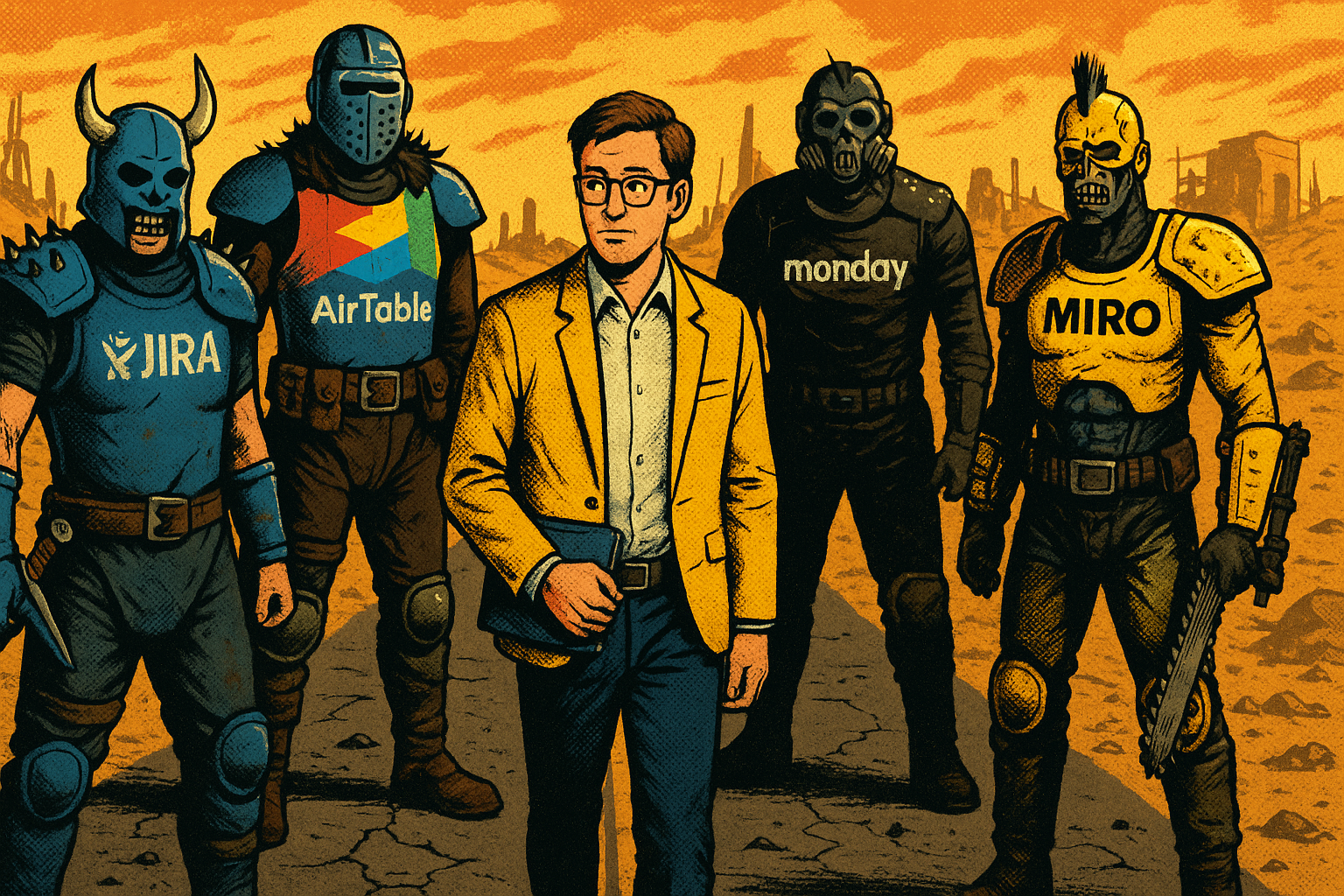
The tools to manage these tasks include the following software / methods : Jira,
AirTable,
Trello AirTable Miro Spreadsheets Shitty Notebook.
Most of these tools include all of the things you need to manage a project : Kanban boards, task management.
Read more about admin and management tools here.
I know the vibe here is cynical, but this software is actually pretty great. AirTable is incredible. Trello is a gateway drug. Google's Spreadsheets are more of a DIY but very flexible approach, and most people speak spreadsheet. Practically, I (Cam) have used spreadsheets for most situations because of that accessibility.