
Overview on Project Management
|
Project Management is a series of methods, frameworks, and tools that are typically owned by Project Managers (obvi), Production Coordinators, Production Managers, and Producers.
There is a lot of nomenclature that's used here (particularly in corporate and DevOps settings).
This language might feel complicated, but it's really stuff you're probably doing anyway:
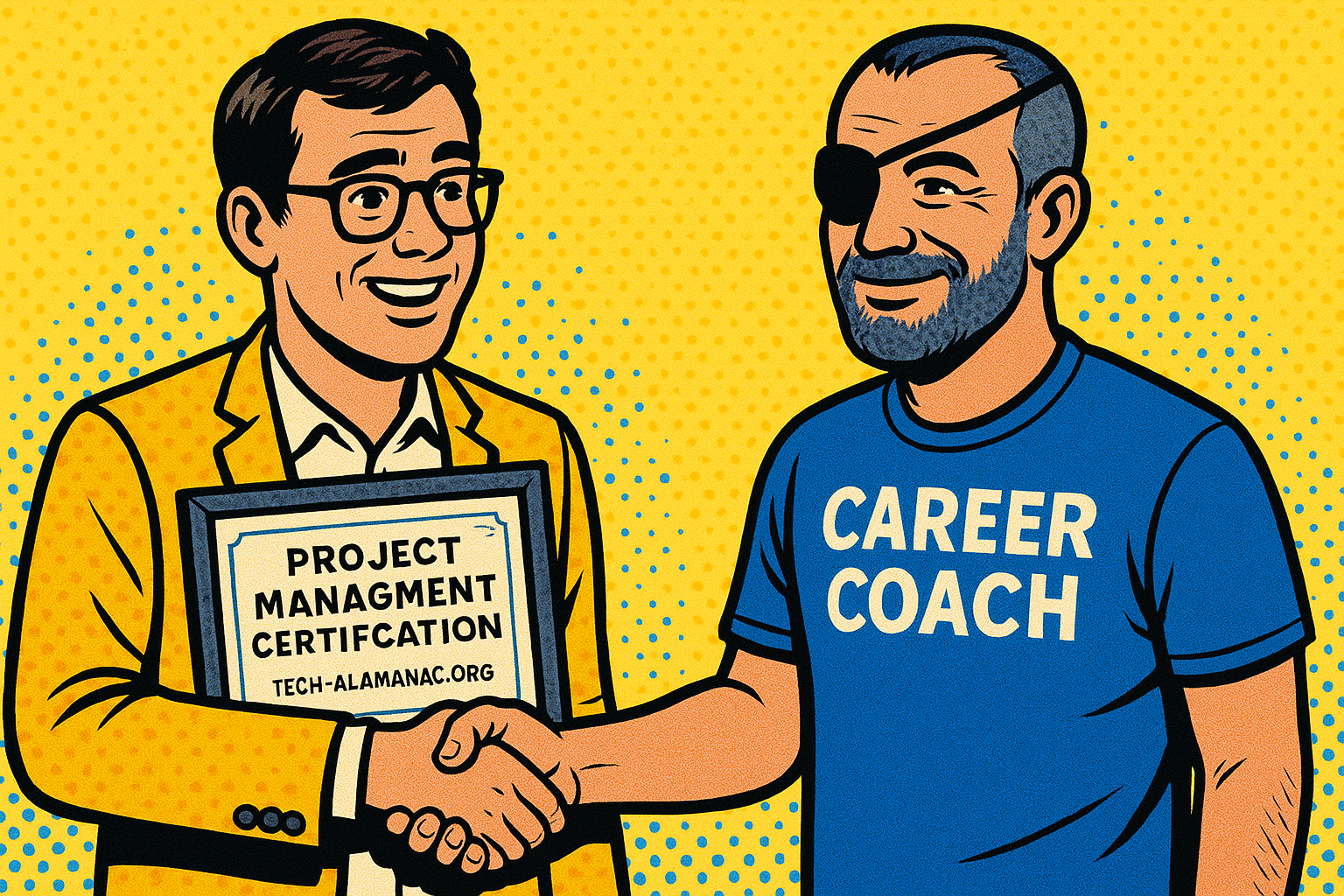
Project Management is a legit and respectable profession, but the culture surrounding it can feel opaque and career-coach adjacent. Don't be scared! |
 |
The best way to stay organized is to manage your tasks as well as manage what you own (and what you don't). You can do this using a notebook. If you don't do that already, start with that. A small upgrade from there is a checklist in a notes app. Upgrading from there is a seeming chaotic wasteland.
In Project Management, there are a bunch of traditional approaches that may sound familiar to you. Here's a hierarchical chart of how these things work. There are many other project management methods, but these are the ones that appear frequently in Creative Technology processes – at least, altruistically 😉.
- Overall Project Management Methods
- Agile or Waterfall
- Frameworks for Implementing an Agile Method (Flexible, Continuous Flow)
- Scrum or Kanban
- Sprints
- Tasks
- Tools for Managing a Method
- Kanban Boards
- Task Tracking Tools
- Tools for Managing a Method
- Tasks
- Sprints
- Scrum or Kanban
- Structures for Implementing a Waterfall Method (Phase Based)
- Tasks within Phases
- Tools for Managing a Structure
- Gantt Charts
- Milestone Trackers
- Traditional Calendars
- Tools for Managing a Structure
- Tasks within Phases
- Frameworks for Implementing an Agile Method (Flexible, Continuous Flow)
- Agile or Waterfall
Contextual Example
You can use a series of approaches to project management within a single project.
- Gantt chart to manage the overall timeline of a project – this is a Waterfall approach to time (e.g., the pre-production phase is fixed timing of 2 months)
- Scrum Framework to manage the tasks, a Scrum approach to manage each sprint (e.g., the pre-production scrum includes the "locations search and locations acquisition" sprints)
- Kanban boards to manage the individual tasks (e.g., Jeff : scout Central Park then do a locations report. Tony : review all of Jeff's locations reports and create a summary for the EP. EP : confirm locations and get Jeff to confirm location acquisitions).
If this all makes sense to you, congratulations, you understand the basic concepts of Project Management.
Task & Project Management Tools
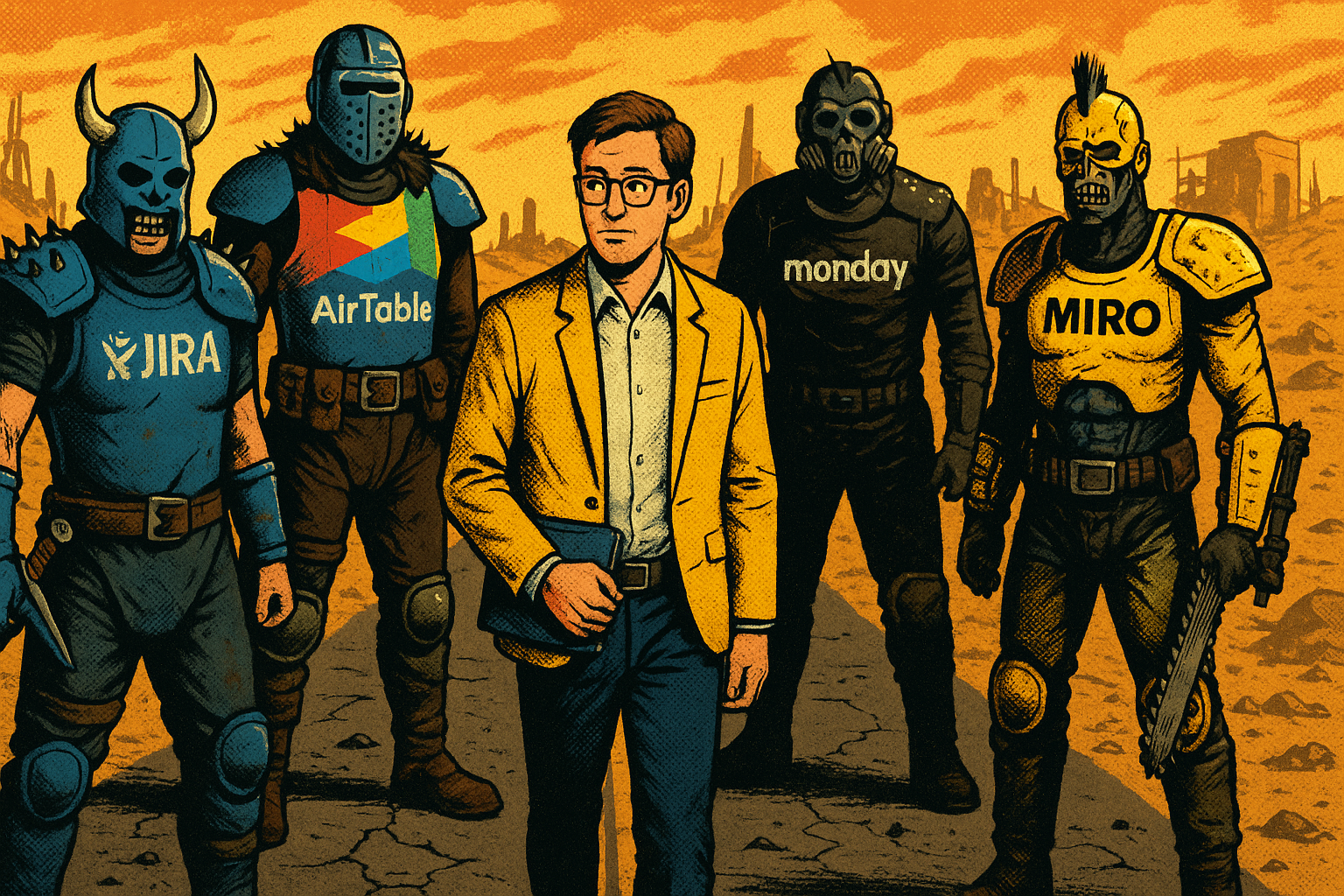 |
The tools to manage these tasks include the following software / methods :
Most of these tools include all of the things you need to manage a project : Kanban boards, Gantt. task
Read more about admin and management tools here. |
I know the vibe here is cynical, but this software is actually pretty great. AirTable is incredible. Trello is a gateway drug. Google's Spreadsheets are more of a DIY but very flexible approach, and most people speak spreadsheet. Practically, I (Cam) have used spreadsheets for most situations because of that accessibility.